
Music GPT Review: Create Hit Songs Instantly with AI Song Generator
Music GPT Review: Create Hit Songs Instantly with AI Song Generator
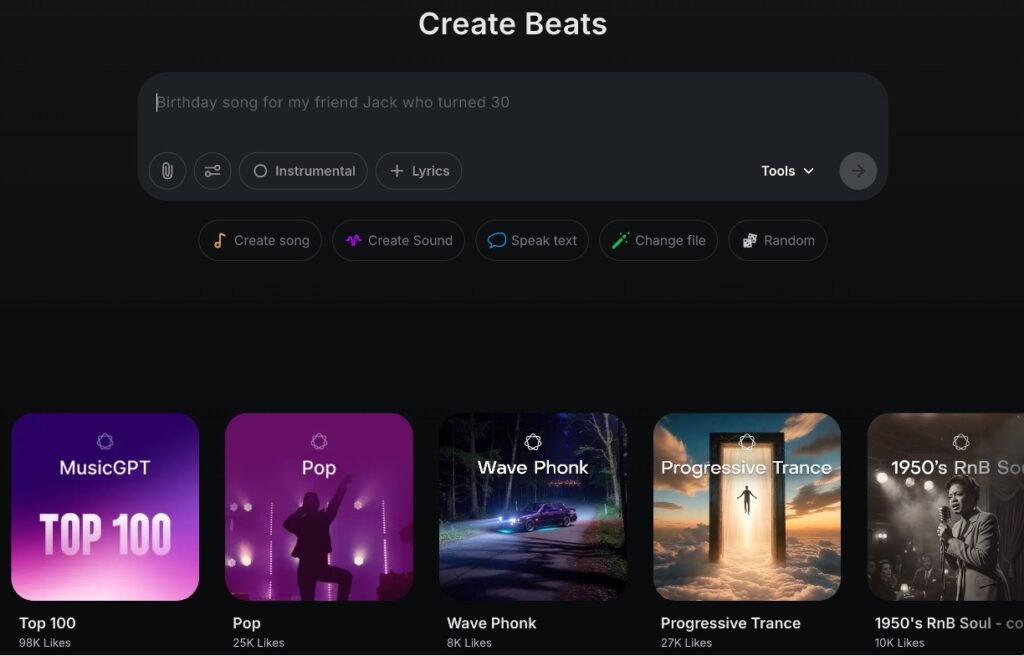
Music GPT is the kind of tool that makes things feel surprisingly simple if you have ever wanted to make music but didn’t know where to begin. It’s for people who don’t want to deal with instruments, software, or technical setup. You just type in what you want, and the AI makes a song.
In this review, we will go through how it works, its features, real benefits for creators and businesses, and whether it actually lives up to the promise of being a powerful AI song generator.
What Is Music GPT?
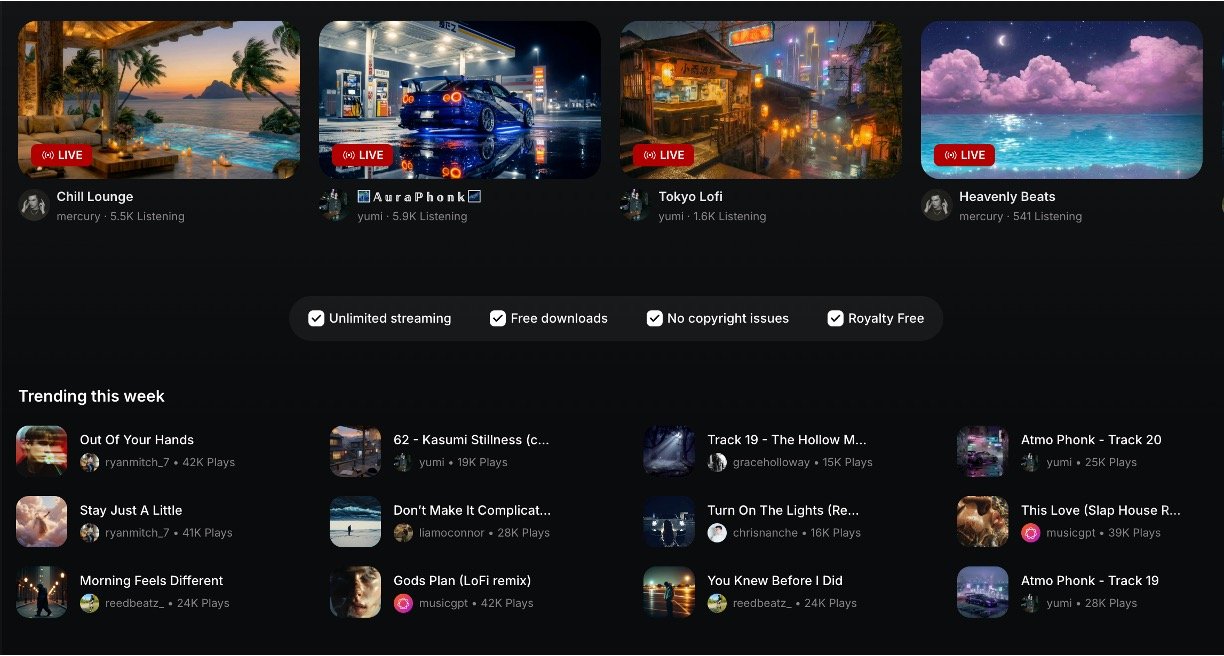
Music GPT is an AI-powered platform that creates songs, beats, instrumentals, and sound effects from simple text prompts. You don’t need music knowledge or production skills.
For example, you can type:
“emotional piano track with soft vocals for a short film”
And within seconds, it generates a full audio track.
The system uses multiple AI models to handle melody, rhythm, lyrics, and structure, so the result feels more like a real song instead of a basic loop. What makes it stand out is that it’s not just a generator. It works more like a full mini music studio where you can create, edit, and reuse tracks.
Why Businesses and Creators Are Using AI Music Tools
Platforms like Music GPT are on the rise because they are solving real needs, especially for businesses.
Companies can now produce tracks on the fly instead of hiring composers or buying expensive stock music. AI tools provide:
- Fast production in seconds instead of days
- Lower costs with no need for studios or artists
- Scalable content creation for ads, videos, and apps
- Easy licensing for commercial use
This is why many companies now rely on an AI song generator as part of their content workflow.
How Music GPT Works
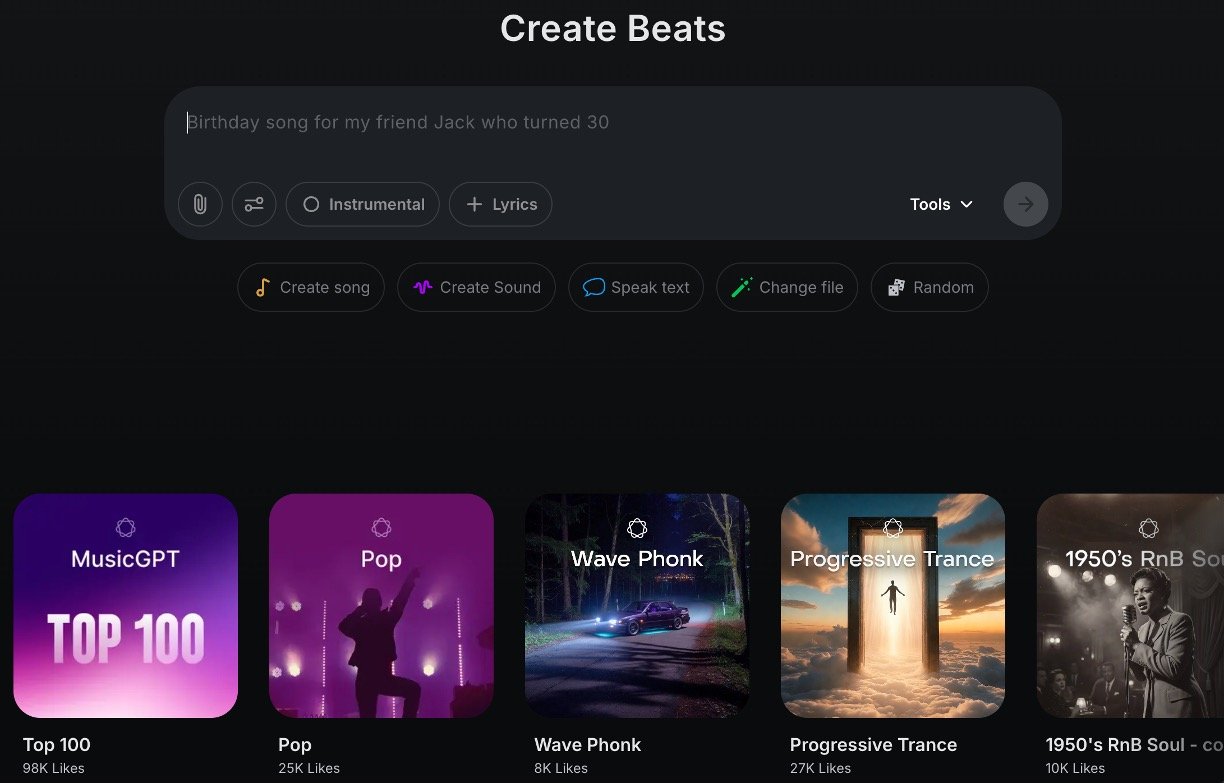
One of the biggest reasons people like MusicGPT is how easy it is to use. First, you choose what you want to create. This could be a full song, instrumental, or even sound effects. Then you type in a prompt describing the style, mood, and purpose. For example:
“lofi chill beat for studying with soft piano”
Then you make the track and listen to it.
If it’s not quite right, you modify your prompt and try again. Some versions also allow for editing of the track, extending it or remixing parts. This simple workflow eliminates the typical learning curve of music production.
Key Features of Music GPT
-
Text to Music Creation
All you do is describe a mood, genre, use case, or whatever in plain language, and the tool turns that into music. You don’t have to adjust instruments or timelines. The clearer your prompt, the better the outcome.
-
Full Song Generation
This AI song generator can produce complete songs. That includes structure, melody, rhythm, and sometimes even lyrics and vocals. This makes it useful for real content, not just background sound.
-
Built in Editing Tools
Music GPT doesn’t stop at one track. You can change your prompt, regenerate versions, extend a track, and make a small change in mood. This way you improve your result instead of starting from scratch each time.
-
Multiple Use Cases
You can create:
- Background music for YouTube
- Advertising and brand music
- Intros for Podcasts
- In-game sound effects
-
Licensing for commercial use
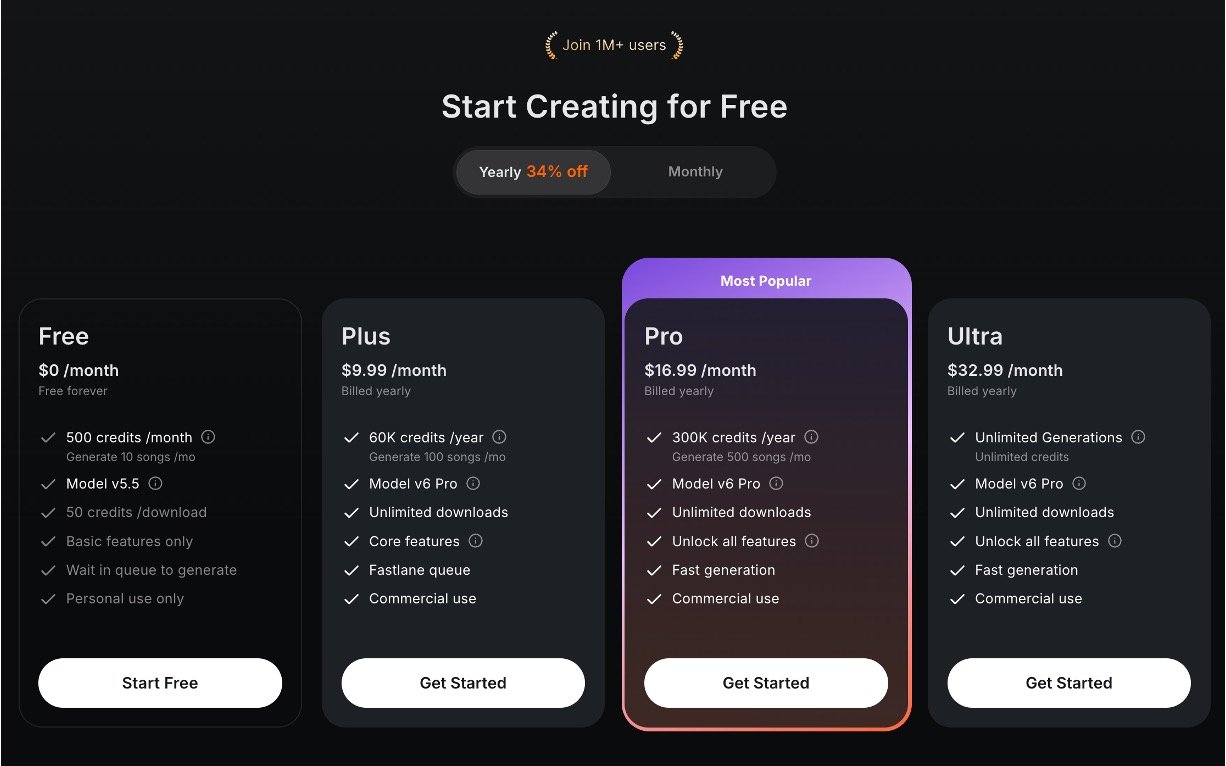
Most plans allow you to use the generated music in your YouTube videos, ads or business content. This makes it a good option for creators and brands, though it’s still worth checking the exact license terms.
-
All in One Audio Platform
It includes features like:
- Voice generation
- Lyrics creation
- Stem splitting
- Sound effects
So you don’t need multiple tools.
Pros of Music GPT
- One of the biggest advantages is simplicity. You don’t need any music background to get started.
- It’s also very fast. You can create multiple tracks in minutes and test different styles easily.
- For businesses and creators, it helps maintain a consistent sound across content without spending a lot.
- Another strong point is flexibility. You can use it for social media, ads, videos, or even personal projects.
Overall, it removes the technical barrier and makes music creation accessible.
Cons and Limitations
That ease also comes with some downsides.
- You don’t get full control like professional music software. Advanced producers may find it limiting.
- The quality depends heavily on your prompt. If your input is vague, the output may feel generic.
- Some tracks can sound slightly artificial, especially vocals.
- Also, licensing rules can vary depending on the plan, so you need to check before using music commercially.
Who Should Use Music GPT?
Music GPT is great for:
- Instant background music for content creators
- Marketers make ads and short videos
- Small businesses creating brand audio podcasters are in need of intros and outros
- Exploration of music for beginners
If your goal is speed and simplicity, it’s a good fit.
Create Hit Songs in Seconds
With Music GPT, making music is easy and approachable. It turns ideas into tracks in seconds, eliminating the need for technical skills or expensive tools. It may not be a replacement for professional production, but for day-to-day content, marketing, and creative projects, it does the job pretty well.

