- Website
- Bookmark
- Share
- Leave a review
- Claim listing
- Report
- prev
- next
Description
Overview
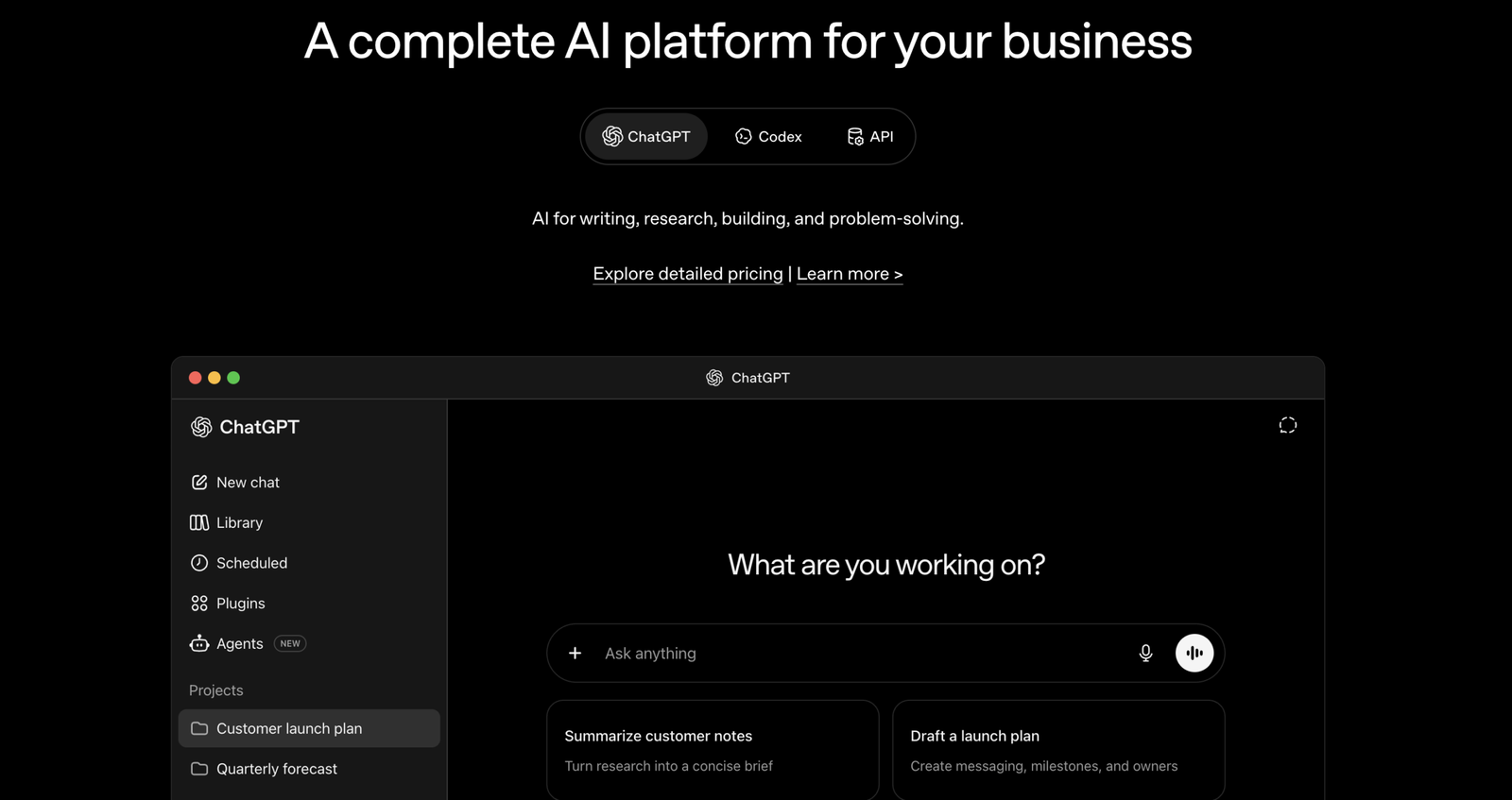
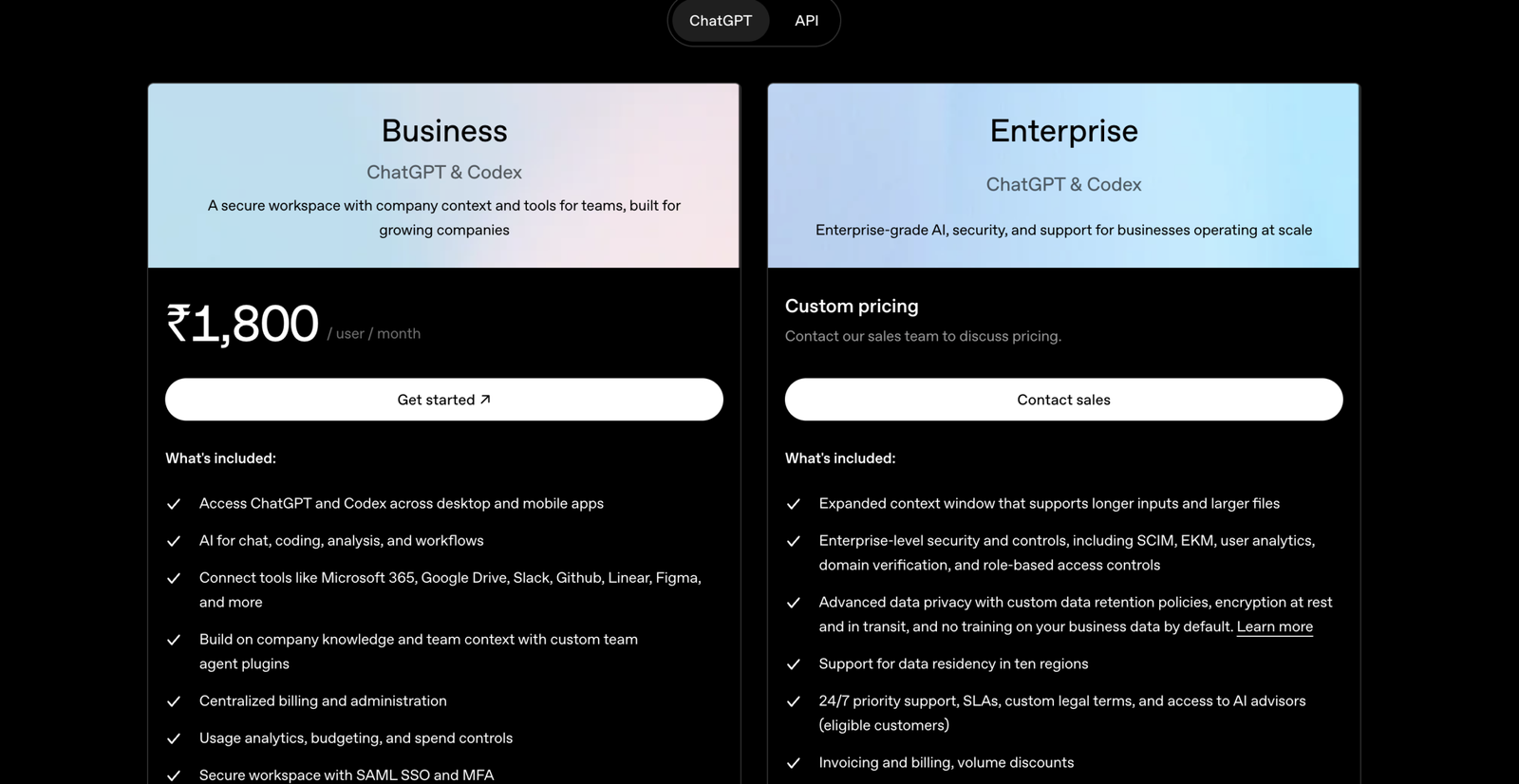
OpenAI Codex is a cloud-based software engineering agent that can work on many tasks in parallel, helping developers build faster, squash bugs, and understand unfamiliar code. It's OpenAI's series of AI coding tools designed to help developers move faster by delegating tasks to powerful cloud and local coding agents. Codex is a coding agent that can read, modify, and run code, working on many tasks in the background in parallel using its own secure cloud environment. The platform includes Codex Web (cloud-based agent at chatgpt.com/codex), Codex CLI (open-source local coding agent that runs in terminal), Codex App (desktop command center for agentic coding), Codex SDK (embed agent into workflows), and Slack integration (delegate tasks from team channels). Codex helps you write code that matches your intent, understand complex or legacy codebases, review code to identify bugs and logic errors, debug and fix problems, and automate development tasks like refactoring, testing, and migrations. It's included in ChatGPT Plus, Pro, Business, Edu, and Enterprise plans, with powerful features like Slack integration, SDK, usage dashboards, and workspace management for engineering teams.
Key Features
- Cloud-Based Software Engineering Agent: Codex Web works on multiple tasks in parallel in secure cloud sandbox preloaded with your repository; available at chatgpt.com/codex
- Open-Source Local Coding Agent (Codex CLI): Lightweight coding agent that runs in your terminal; pair with it to write, edit, and understand code locally
- Codex SDK & Slack Integration: Embed the same agent into workflows, tools, and apps; delegate tasks or ask questions from Slack team channels like a coworker
- Multi-Language Code Support: Proficient in Python, JavaScript, Go, Perl, PHP, Ruby, Swift, TypeScript, Shell, and 12+ programming languages
Use Cases
- Software Development & Engineering: Write features, fix bugs, refactor code, run tests, propose PRs; build and ship with AI-powered coding assistance
- Codebase Understanding & Maintenance: Read and explain complex or legacy code; help grasp how teams organize systems; understand unfamiliar codebases
- Automated Development Tasks: Automate repetitive workflows like refactoring, testing, migrations, and setup tasks to focus on higher-level engineering work
Gallery